← BackGuide
Process Mapping Checklist
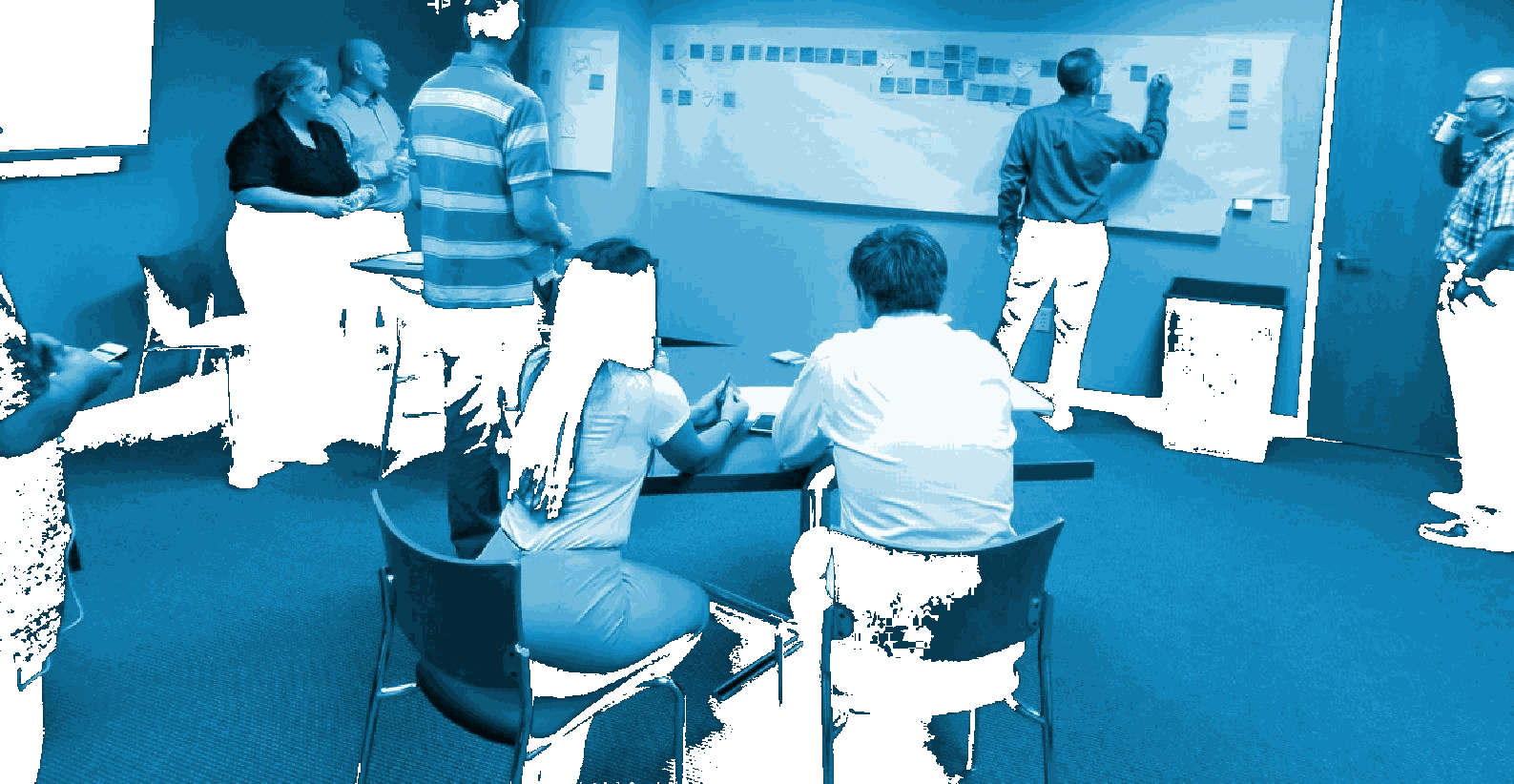
1. Organise a Process Mapping Workshop
- Agree the scope of the information/processes to be captured (agree on a start and an end point)
- Decide the timeframe for the meeting and stick to it (this should be in line with the start and end point)
- Find out who are the Subject Matter Experts (SMEs) for the process (those who are Responsible, Accountable and need to be Consulted)
- Set up a meeting with those same Subject Matter Experts from the business area that you will be process mapping
- Have someone present who has knowledge of how the process links to other business areas.
- Give information to all attending as to the background of the process mapping initiative and why it's key for the business (getting stakeholders on board is crucial)
- Provide clear and simple information
- Send every participant an agenda for the meeting including how long the project will run, what you will need from them and the process you will be mapping (so they can prepare).
- No more than ten people should be invited to a workshop.
- No more than 4 virtual attendees.
- Give everyone invited to the workshop an opportunity to ask you questions before the workshop starts
- Give the same opportunity to their departmental heads – if you don't have the support of all of the relevant parties you'll want to uncover this as early as possible.
2. Run a Process Mapping Workshop
- Get a large roll of Brown or white paper for the base of the process map
- Use three different types of post-it notes to represent the Activity (input), the Deliverable (output) and the Decision
- Sharpie pens to write down the process steps as they are revealed in the workshop
- Everyone should be able to see how the process is being captured
- Everyone must be led to contribute to each process step (You will need to ask questions)
- Name the process (Example: Customer Sales Cycle)
- Will all the end-users be using the same browser? Can they all access the Process Library without problem?
- Begin mapping by using post-it notes to mark the start point and end point of the process (both will be Deliverables, so both will be the same color post-it notes). (Customer Sales Cycle Example: Start Point - Sales Enquiry; End Point - Quote)
- In order to get the deliverable for every activity that is produced, ask the question: "what does this activity produce?"
- There must be a deliverable after an activity
3. Finalise the Process Map
- Import the data captured at the process mapping workshop into your process mapping software.
- Check that the process steps are labelled correctly
- Check that the process steps are complete - have you left anything out of the process?
- Check that the responsibilities of staff are clearly laid out in the process map
- Oversee the real process and check that it matches the one captured by the group.
- Identify any bottlenecks or process inefficiencies that can be fixed.
For more guidance on running a workshop and building your process maps, see our articles on how to run a process mapping workshop and how to create a process map, or explore our Ultimate Guide to Business Process Mapping. If you need help getting started, contact our team.
This article was originally written for the Triaster Blog. Visit blog.triaster.co.uk or contact us on +44 (0)207 770 8053 / info@triaster.co.uk